Daily Water Needs
How Much Water Should a Person Drink a Day Calculator
See the published reference intake for women and men in ounces, liters, cups or bottles, and how it compares with the water you should store for an emergency.
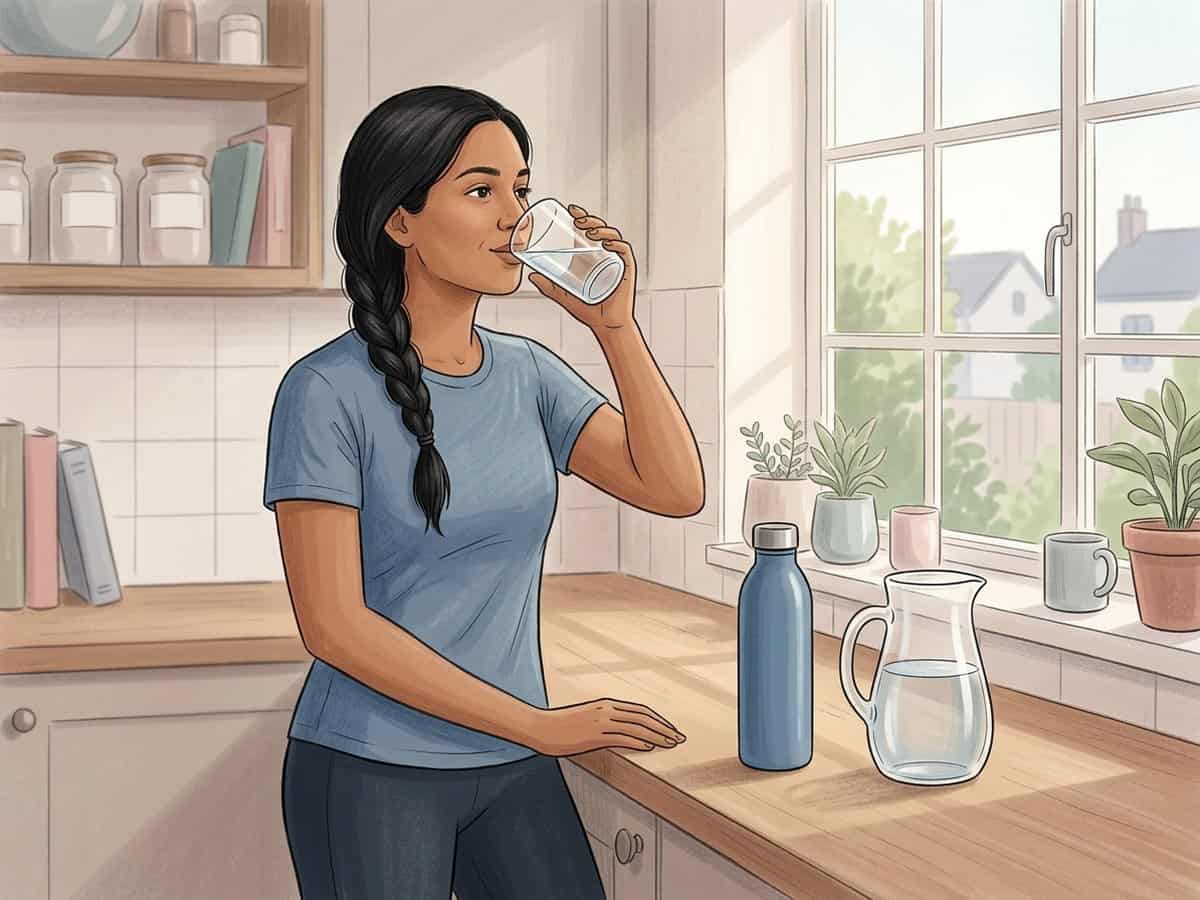
Reference daily water intake
A reference figure from the National Academies, not a personal prescription.
How this is worked out. Total water is the National Academies figure: about 2.7 liters (91 ounces) a day for women and 3.7 liters (125 ounces) for men, counting water from both drinks and food. The drinks figure is total × 0.8, because the National Academies say about 80 percent of total water comes from drinking water and other beverages. Unit conversions use 33.814 fl oz per liter, 8 fl oz per cup and 16.9 fl oz per bottle. The storage figure is the CDC and Ready.gov allowance of 1 gallon (128 fl oz) per person per day, which covers drinking and sanitation.
What it will not calculate. There is no weight-based formula here, and no figure for children, pregnancy, breastfeeding, illness, heat or exercise. The CDC says daily water intake recommendations vary by age, sex, pregnancy status, activity level and breastfeeding status, and this tool does not guess at those differences. For anything beyond the reference figure, ask a clinician.
Reading the result
What the reference intake means, and what it does not
The National Academies figures describe what adequately hydrated people consume on average, and most healthy people meet their needs by letting thirst guide them.
The CDC does not publish a single daily amount of water for everyone. Its guidance is that intake recommendations vary with age, sex, pregnancy, activity and breastfeeding. The National Academies of Sciences, Engineering, and Medicine set the reference figures this calculator uses in 2004, and their own summary is that the vast majority of healthy people adequately meet their daily hydration needs by letting thirst be their guide.
So the calculator's number is a reference point, not a target to force. It includes water from food, which the National Academies put at about 20 percent of the total. That is why the “from drinks” figure is lower than the headline number.
Where a day's water comes from
- About 80%from drinking water and other beverages
- About 20%from food
The emergency difference
Why emergency storage is a bigger number than daily drinking
Emergency storage uses 1 gallon per person per day because it has to cover drinking and sanitation, not drinking alone.
Ready.gov says a normally active person needs about ¾ of a gallon of fluid daily, from water and other beverages, which is 96 fluid ounces (calculated). The same page, and the CDC, say to store at least 1 gallon per person per day for drinking and sanitation, for at least 3 days, and the CDC says to aim for 2 weeks if possible. In very hot temperatures, Ready.gov notes, water needs can double.
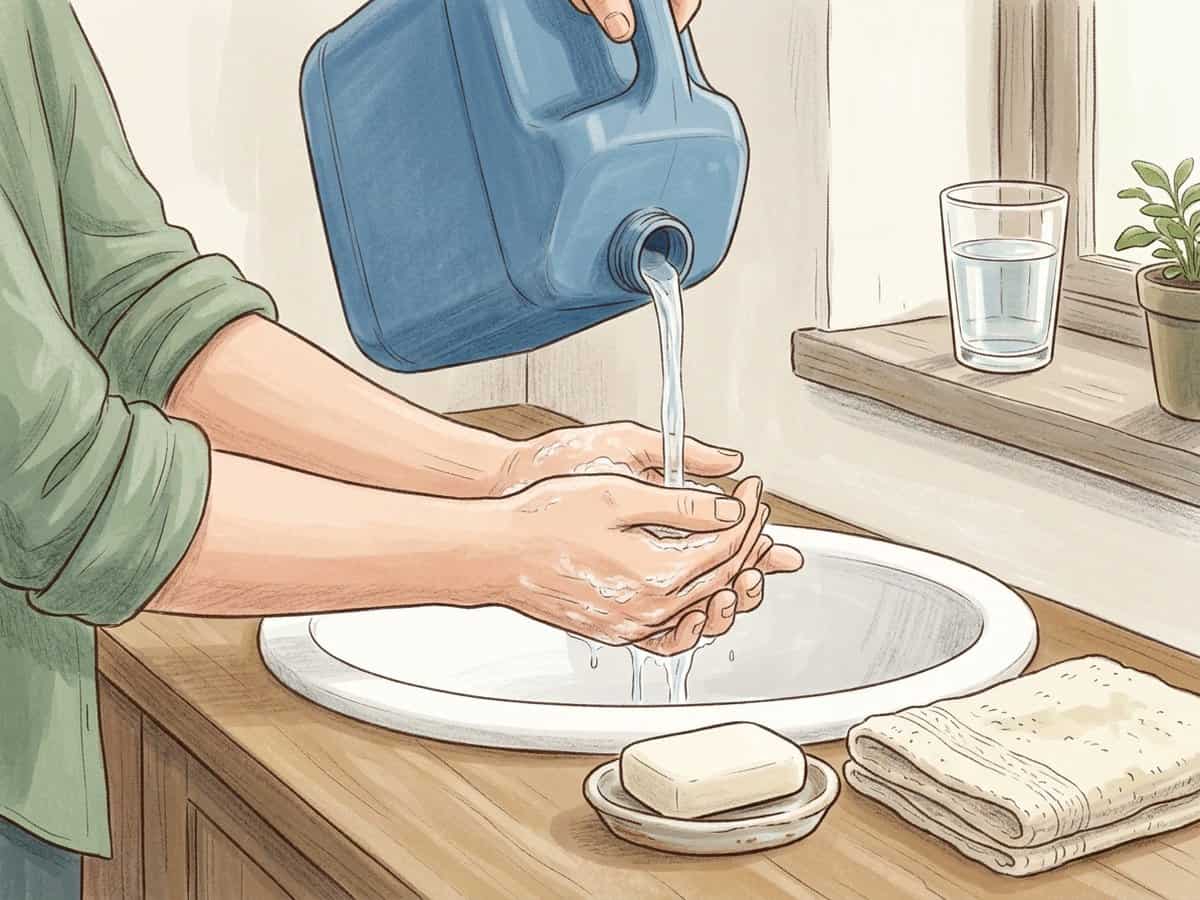
For a household, that turns into simple arithmetic: people × days × 1 gallon. The storage calculator does it for you, and the survival guide explains the difference between the two figures in detail: emergency water storage calculator and how much water you need per day to survive.
Questions
Common questions about daily water intake
Short answers to what people ask alongside an intake calculator.
The CDC does not publish one amount for everyone, because needs vary with age, sex, pregnancy, activity and breastfeeding. The National Academies report that adequately hydrated women consume about 2.7 liters (91 ounces) of total water a day and men about 3.7 liters (125 ounces), including water from food.
None of the agency sources used on this page publishes a weight-based water formula, so the calculator does not invent one. If you want a personal figure that accounts for your body, health or activity, ask a clinician.
The National Academies figures count total water, and about 20 percent of it comes from food. Ready.gov's fluid figure for a normally active person also counts water and other beverages together.
Store at least one gallon per person per day for at least three days, and a two-week supply if possible, according to the CDC. That allowance covers drinking and sanitation, so it is larger than a person's daily drinking figure.
Sources
Where these figures come from
Every figure the calculator shows comes from one of these sources, checked in September 2026.
- National Academies of Sciences, Engineering, and Medicine, news release on dietary reference intakes for water (February 11, 2004). nationalacademies.org — about 2.7 L (91 oz) for women and 3.7 L (125 oz) for men of total water; about 80 percent from beverages; thirst as a guide. Checked September 2026.
- Centers for Disease Control and Prevention, “About Water and Healthier Drinks” (reviewed March 5, 2026). cdc.gov — intake recommendations vary by age, sex, pregnancy status, activity level and breastfeeding status. Checked September 2026.
- Ready.gov, “Water.” ready.gov — about ¾ gallon of fluid daily for a normally active person; at least 1 gallon per person per day to store; needs can double in heat. Checked September 2026.
- Centers for Disease Control and Prevention, “How to Create and Store an Emergency Water Supply” (reviewed June 27, 2025). cdc.gov — 1 gallon per person per day for 3 days; 2 weeks if possible. Checked September 2026.