How Much Water Does the Average Household Use a Day?
How much water does the average household use? The EPA says more than 300 gallons a day for the average family, about 10,000 gallons a month for four, beside 1 gallon per person to store.
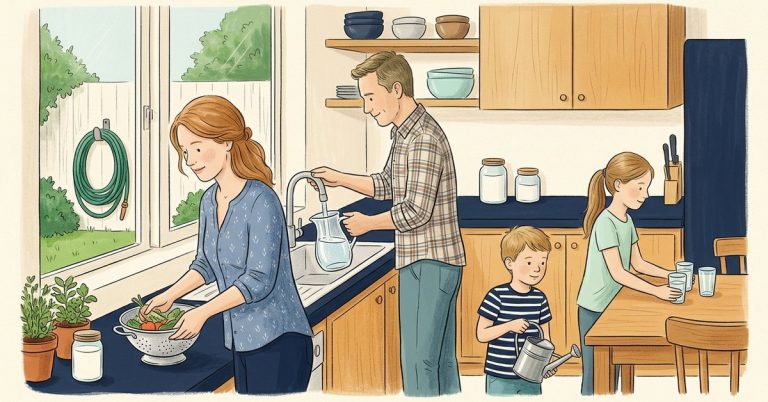
How much water does the average household use? The EPA says more than 300 gallons a day for the average family, about 10,000 gallons a month for four, beside 1 gallon per person to store.
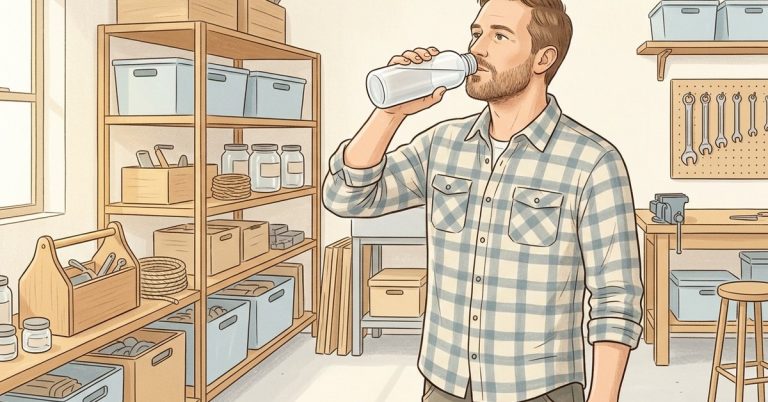
How much water should the average man drink a day? About 3.7 L (125 oz) of total water from drinks and food (National Academies), roughly 3 L from drinks, plus heat and work.
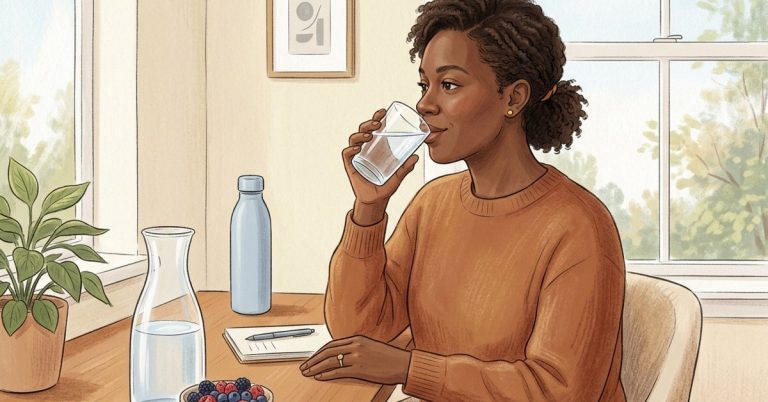
How many liters should a woman drink a day? About 2.7 L of total water from drinks and food (National Academies), roughly 2.2 L from drinks, with every conversion shown.
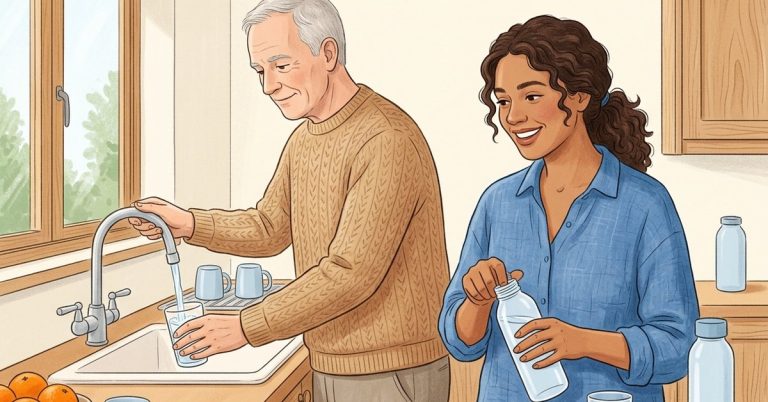
How much water does the average person drink a day? U.S. adults average 44 oz of plain water and children 23 oz (CDC), by age, sex and group, against the reference.
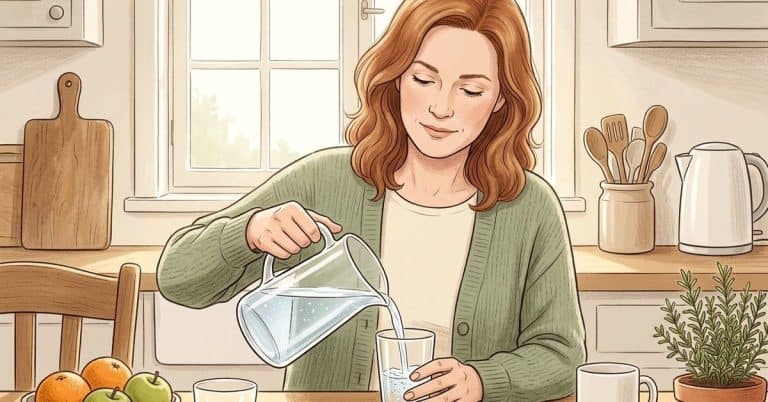
How many ounces of water should you drink a day? About 91 fl oz for women and 125 for men, from drinks and food, with every conversion shown.
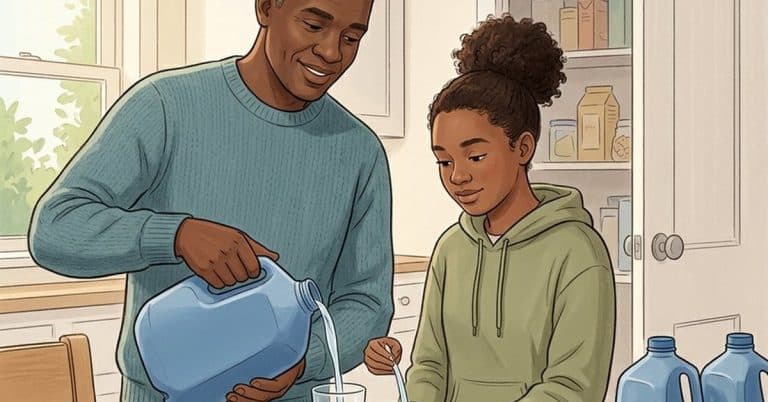
Ready.gov puts a normally active adult at about 3/4 gallon of fluid a day. Here is why to store 1 gallon per person per day, and when to store more.
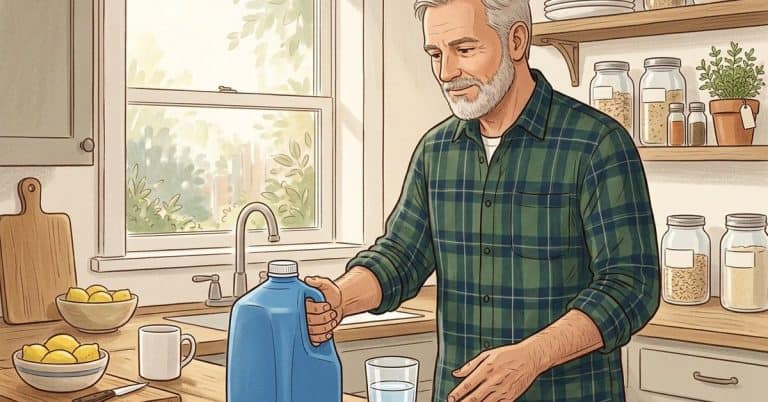
How many gallons of water should you drink a day? About 0.71 for women and 0.98 for men from drinks and food, versus 1 gallon a day to store.
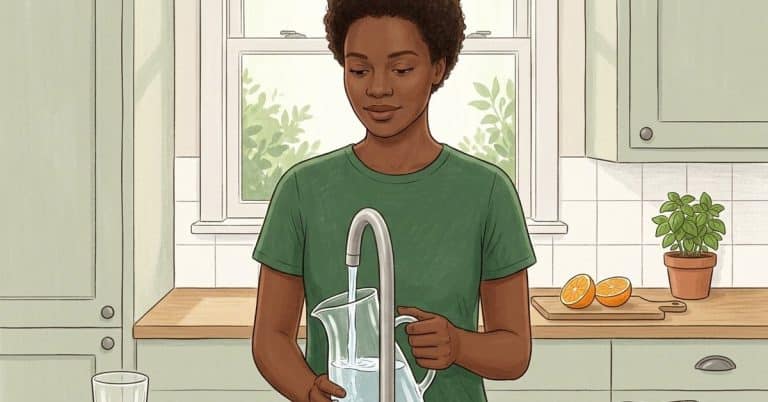
How many liters of water should you drink a day? About 2.7 L for women and 3.7 L for men from drinks and food, plus conversions and storage in liters.
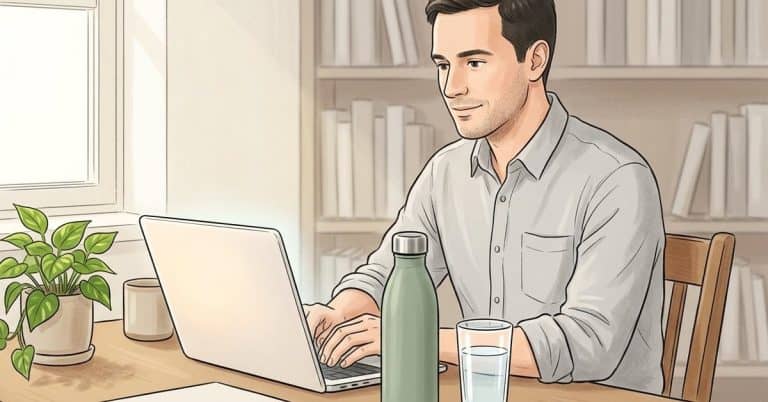
How many bottles of water should you drink a day? The reference intake in 16.9 oz, 20 oz, 32 oz and 1 L bottles, plus bottles for an emergency supply.
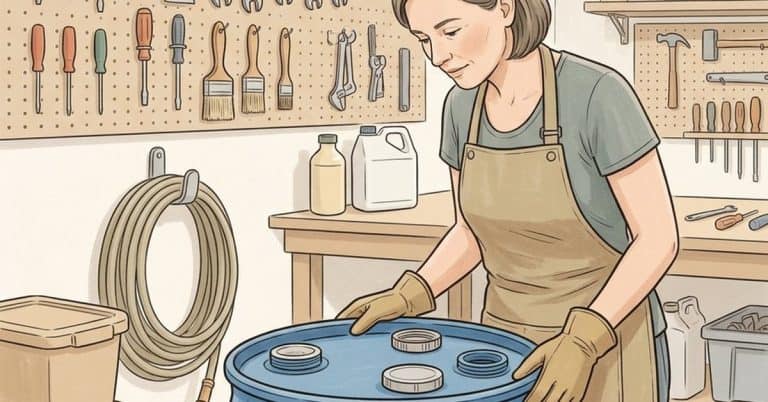
The CDC rules out any container that held toxic chemicals. How to tell whether a used 55-gallon barrel can hold drinking water, and when to walk away.
To provide the best experiences, we use technologies like cookies to store and/or access device information. Consenting to these technologies will allow us to process data such as browsing behavior or unique IDs on this site. Not consenting or withdrawing consent, does may adversely affect certain features and functions.