Emergency Water Source
Emergency water planning for your household
How much to store, what to keep it in, where to put it, and when to change it.
The baseline, in three numbers
- 1gallon
- per person, per day, for drinking and sanitation
- 3days
- the minimum supply window the CDC publishes
- 6months
- between replacements of water you filled yourself
Sources: CDC; Ready.gov
1 gallon per person per day3 days minimum2 weeks where you have room50–70°F, out of sunlightreplace home-filled water every 6 months8.329 lb per gallon
The unit
One gallon, told in seven acts
Every figure on this site is built from one unit: a gallon of water, per person, per day. Scroll through it once, from a single glass to a household’s two-week supply and the clock it runs on.
-
I · The glass
16 fl oz
Start with one ordinary sixteen-ounce glass of water. It is the unit most people picture, and it is the one that misleads.
-
II · The gallon
128 fl oz
Eight of those glasses make one US gallon. That gallon covers drinking and sanitation together — it is not eight glasses to drink.
-
III · One person, one day
1 gallon
At least one gallon per person per day is the planning baseline the CDC and Ready.gov both publish. Everything else is multiplication.
-
IV · Three days
12 gallons
Four people for three days, the minimum window the CDC publishes, is twelve gallons. Calculated: 4 × 3 × 1.
-
V · Two weeks
56 gallons
The CDC suggests a two-week supply where you have the room. For the same household that is fifty-six gallons. Calculated: 4 × 14 × 1.
-
VI · The weight
466 lb
Fifty-six gallons of water weighs about 466 pounds before any container is counted. Calculated: 56 × 8.329 lb per gallon (USGS, 70°F).
-
VII · The clock
6 months
Water you filled yourself is replaced every six months, per the CDC. Sealed commercial bottled water runs on a different clock: the date the bottler printed.
Start here
A water plan is four decisions
An emergency water plan is four decisions made in order: how much to store, what to store it in, where to put it, and how often to replace it. Each has its own guide.
-
01 — How much
Count people, then days
The total is one gallon per person per day, multiplied by the number of days you plan for. Three days is the published minimum; two weeks is the CDC’s suggestion where space allows. Ready.gov notes that needs can double in very hot temperatures.
How much emergency water a family needs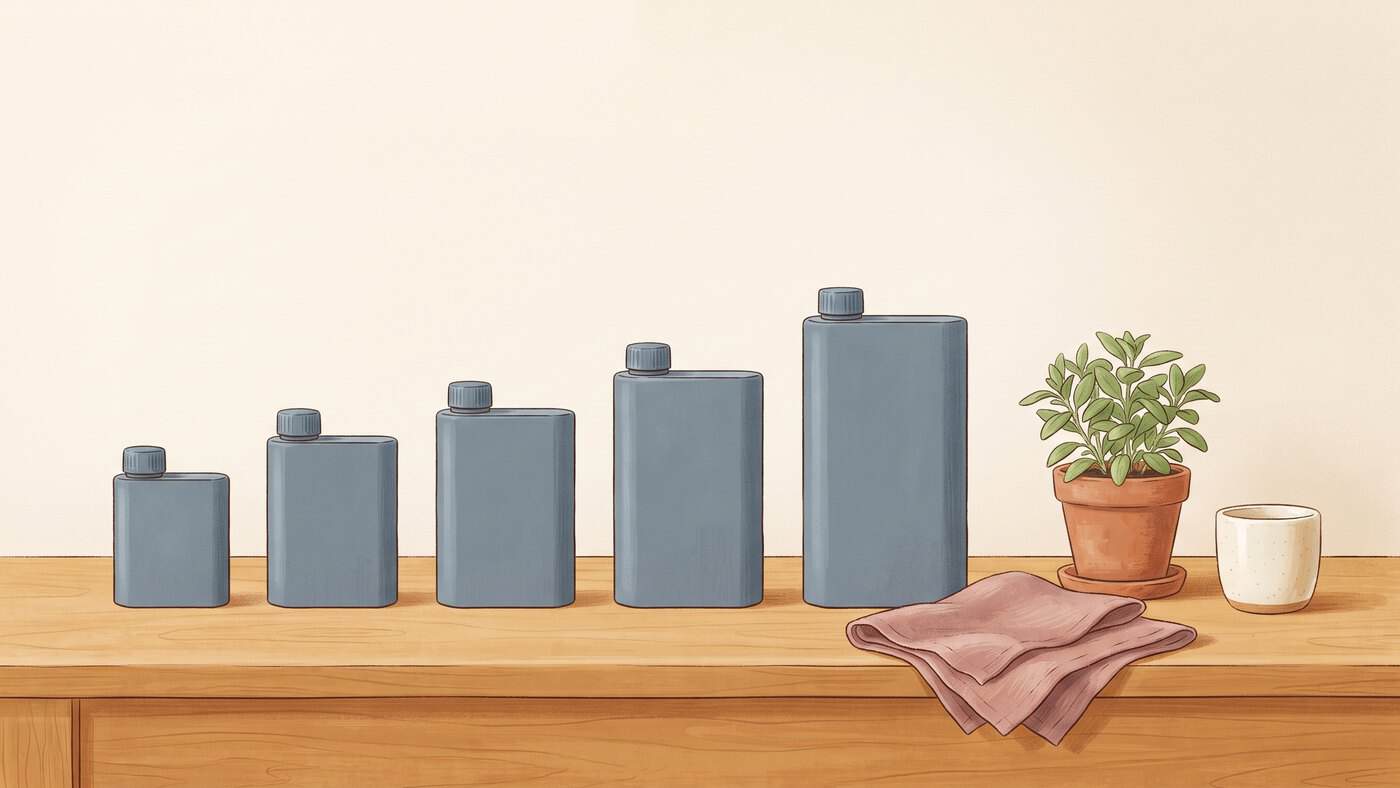
-
02 — What in
Food-grade, sealed, and liftable
Use clean food-grade containers intended for drinking water, with a tight-sealing top. Never reuse a container that held chemicals. After that, the deciding question is weight: a full five-gallon jug holds about 41.6 lb of water, calculated.
Emergency water storage containers compared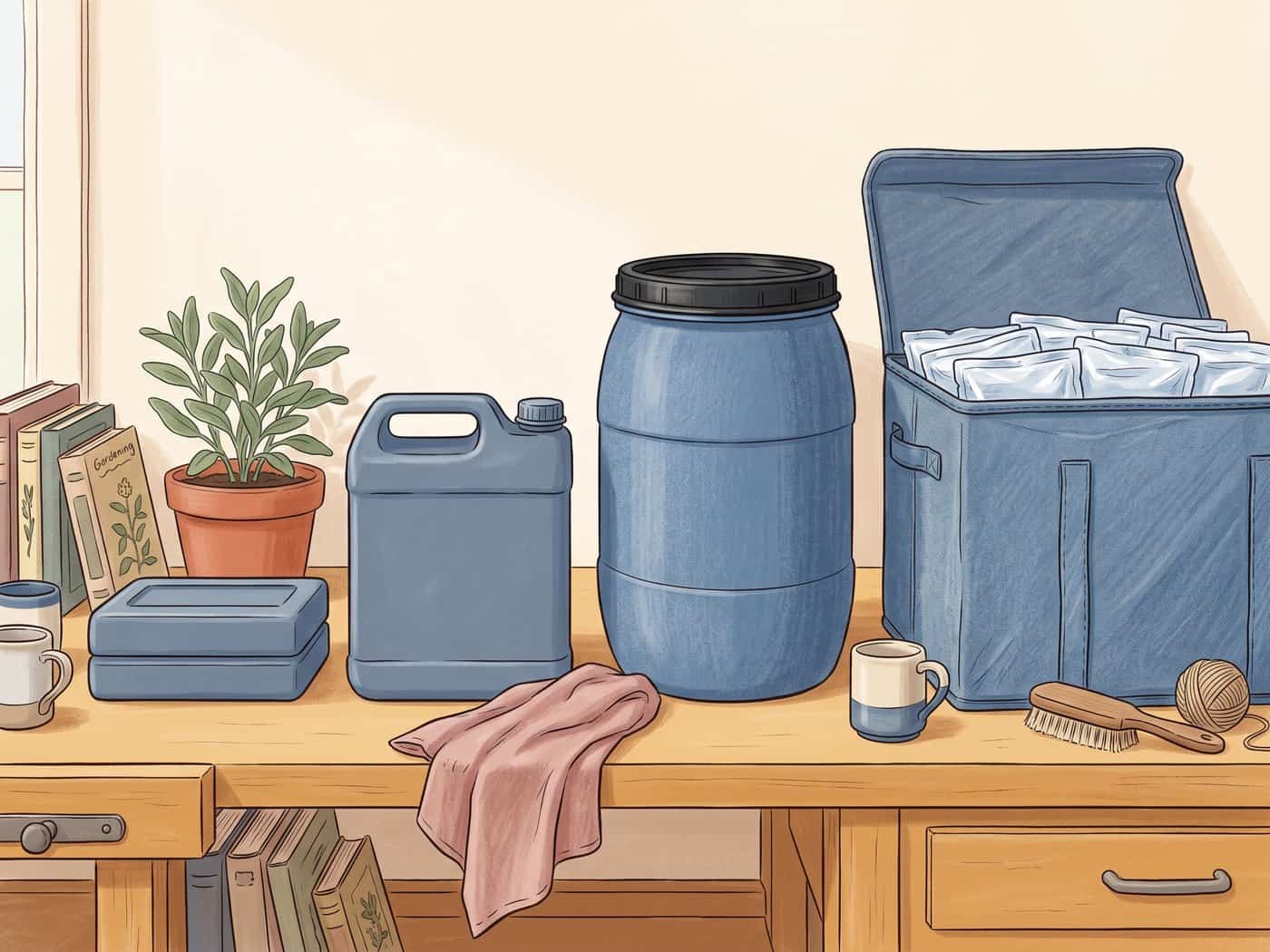
-
03 — Where
Cool, dark, and away from fumes
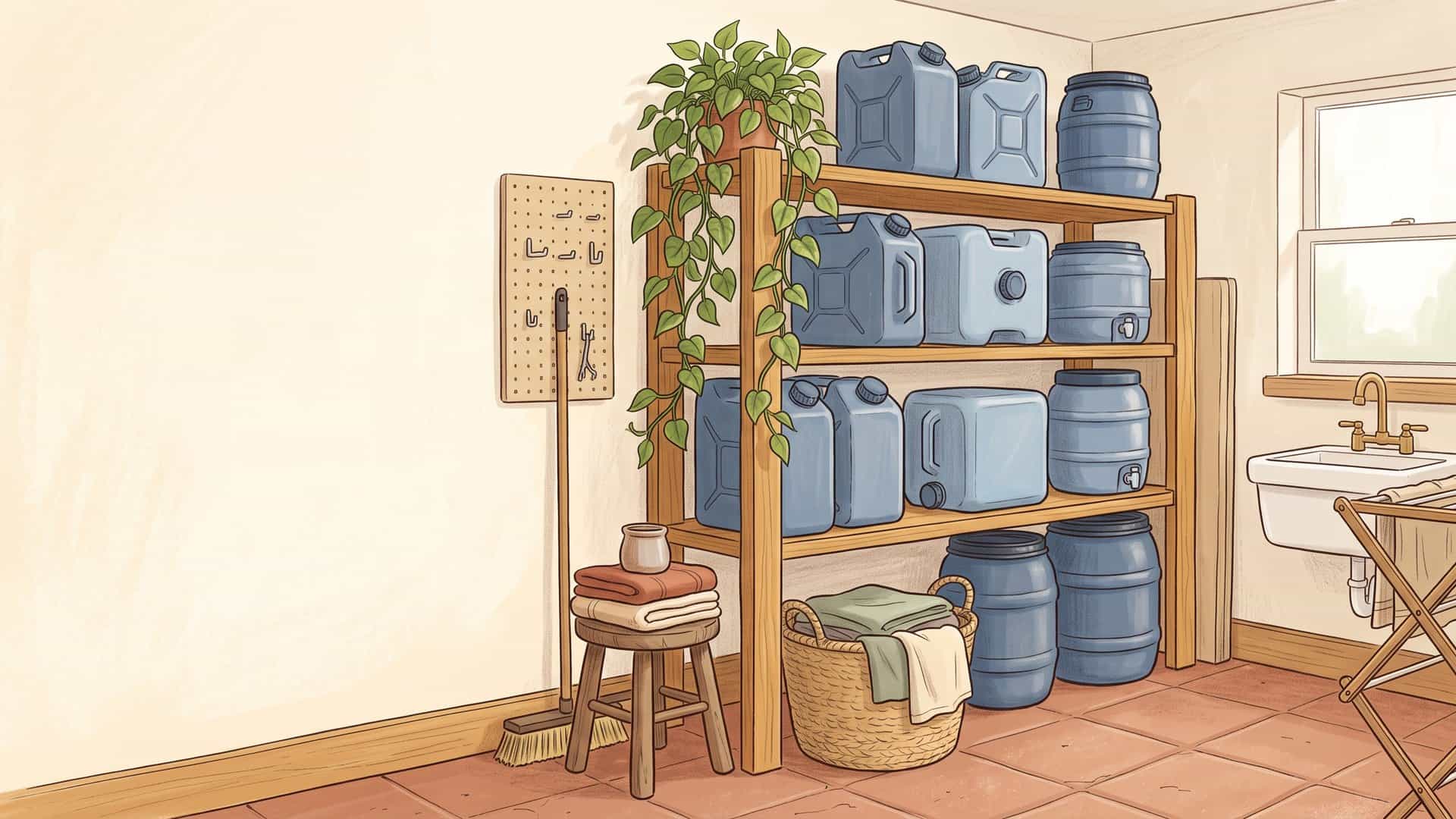
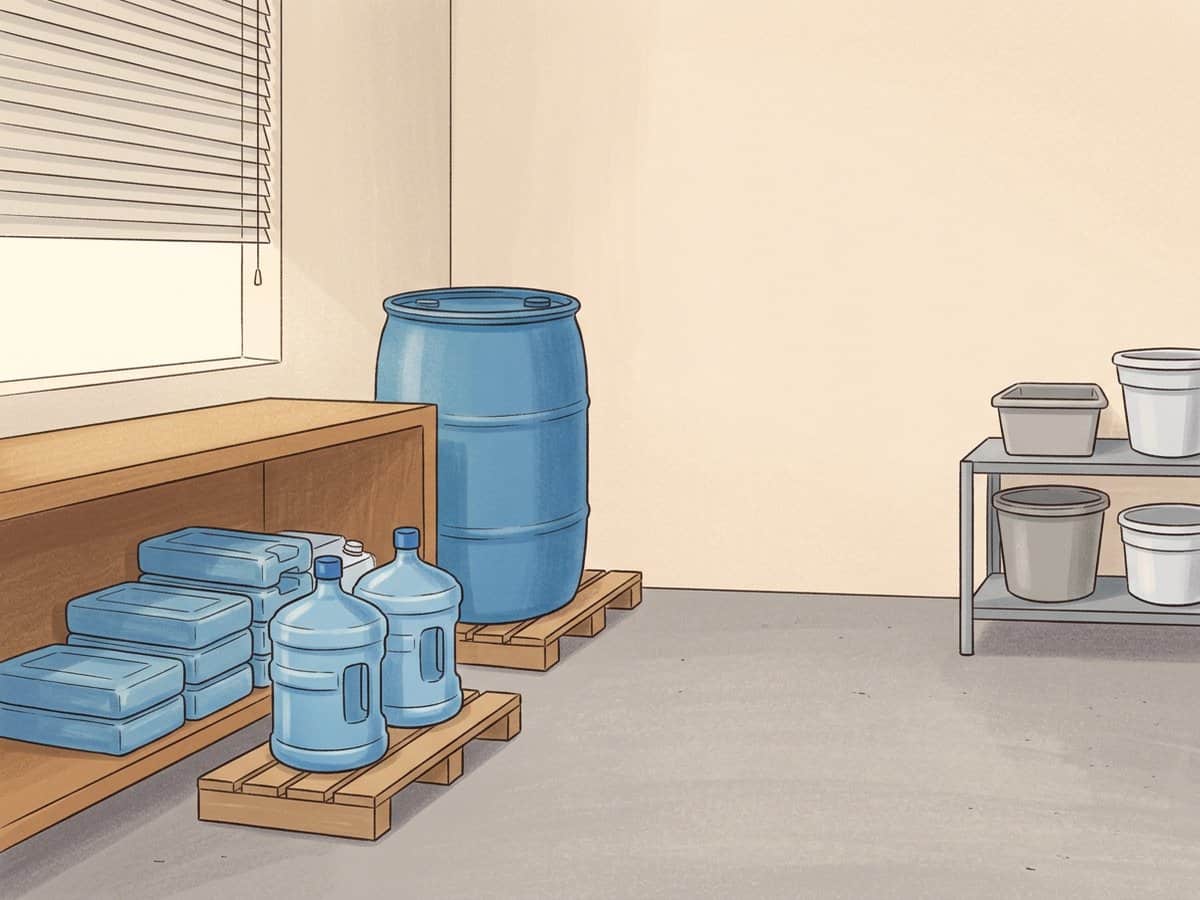
The CDC range is 50–70°F, out of direct sunlight, away from toxic substances such as gasoline and pesticides. Floor-level shelving in an interior room beats a hot garage or a sunny window.
How to store water long term
-
04 — How often
Two clocks, not one
Water you filled yourself is replaced every six months. Sealed commercial bottled water stays in its original container and follows its printed date. Write the fill date on every container you fill.
How long emergency water can be stored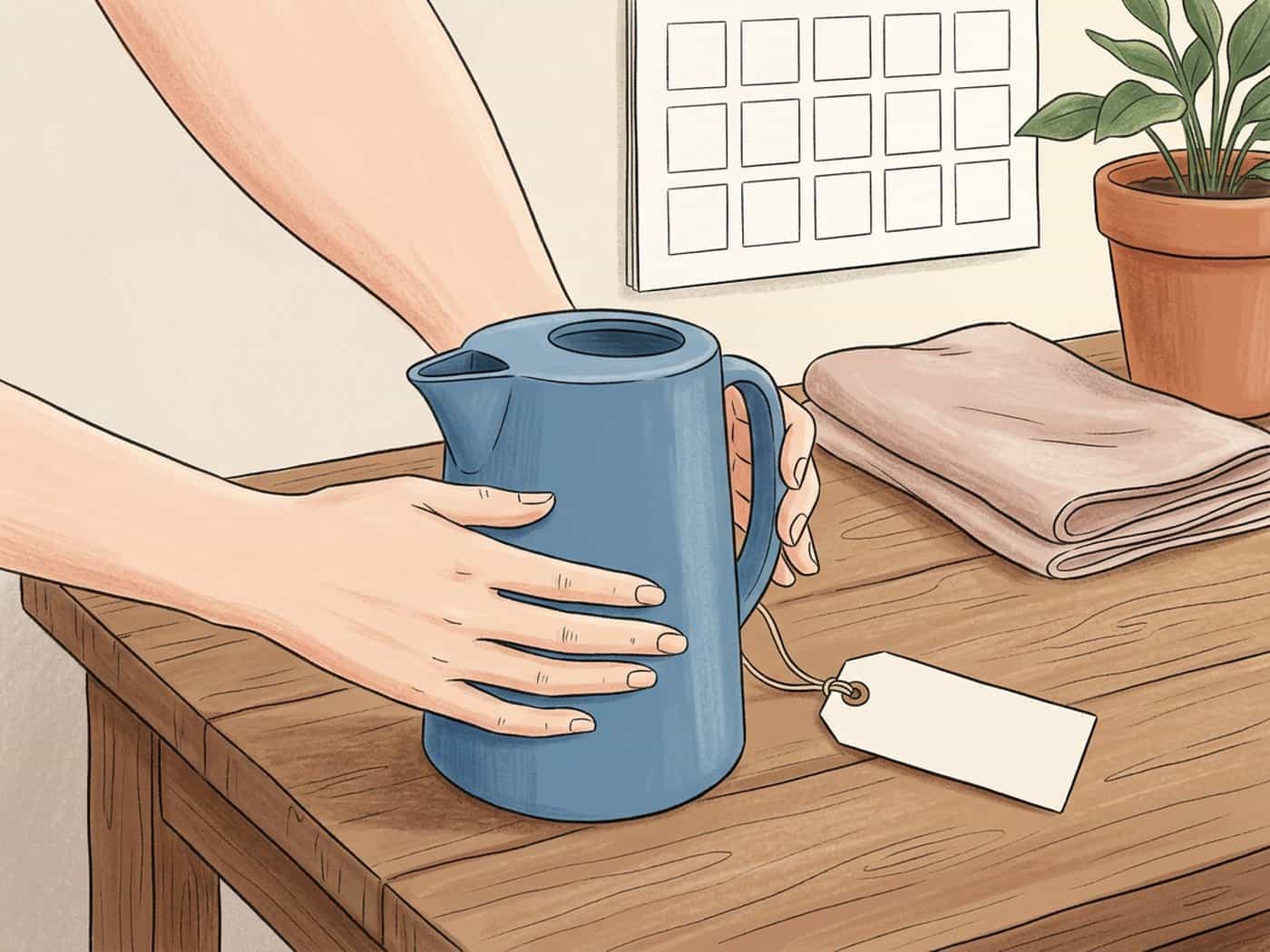
Try it
Work out your household total
A household’s baseline supply is one gallon per person per day, multiplied by the number of days you plan for.
How this works. Gallons are people × days × 1. Weight is gallons × 8.329 lb, the USGS density of water at 70°F, and counts water only. Containers are gallons ÷ 5, rounded up. That is arithmetic on published figures, not a recommendation about your household.
What it will not guess. There is no pet setting, because Ready.gov’s water page publishes no per-animal figure. Needs run higher for infants, children, older adults, pregnancy, illness, hot conditions and hard physical work, and Ready.gov notes needs can double in very hot temperatures — so treat the result as a floor.
12gallons
100 lb of water, calculated · about 3 five-gallon containers
This is a planning aid, not a substitute for instructions from local emergency officials or your water utility during an active event.
Weight and place
Where it goes is decided by what it weighs
Water weighs about 8.329 pounds per US gallon, and that single fact decides where a household can actually put its supply.
The figure comes from the USGS Water Science School, measured at 70°F. A filled five-gallon jug therefore holds roughly 41.6 lb of water, and a filled 55-gallon barrel roughly 458 lb. Those are calculated water weights only; a container’s own empty weight is separate, and only its manufacturer publishes it.
A full barrel cannot be tipped, carried or moved, which makes it a floor-level decision and a dispensing decision before it is ever a purchase. Anyone on an upper floor, anyone who moves often, and anyone who cannot safely handle a container that will not lift once filled is better served by smaller units that add up.
Stored water belongs somewhere cool and dark, between 50°F and 70°F, out of direct sunlight and away from toxic substances — the CDC names gasoline and pesticides specifically. Containers should be food-grade and intended for drinking water. Containers that once held toxic chemicals are never reused.
Choose your path
Apartment, house, family, pets, or on the move
The right emergency water setup depends far more on floor space, floor loading and who lives with you than on which container you buy.
-
01 — Renters
Apartments and small spaces
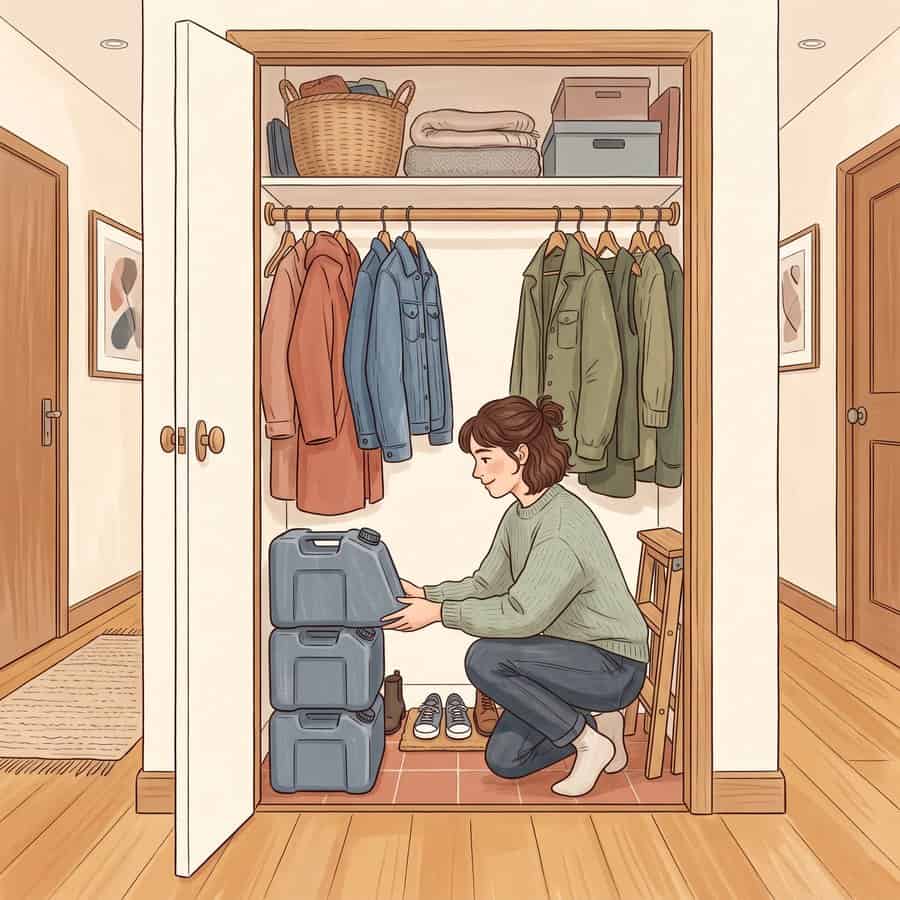
Storage is measured in closet inches, and nothing heavy goes above floor level in a building you do not own. Stackable containers let a supply grow one unit at a time and move out with you.
Storage for apartments and small spaces -
02 — Homeowners
Houses with real storage
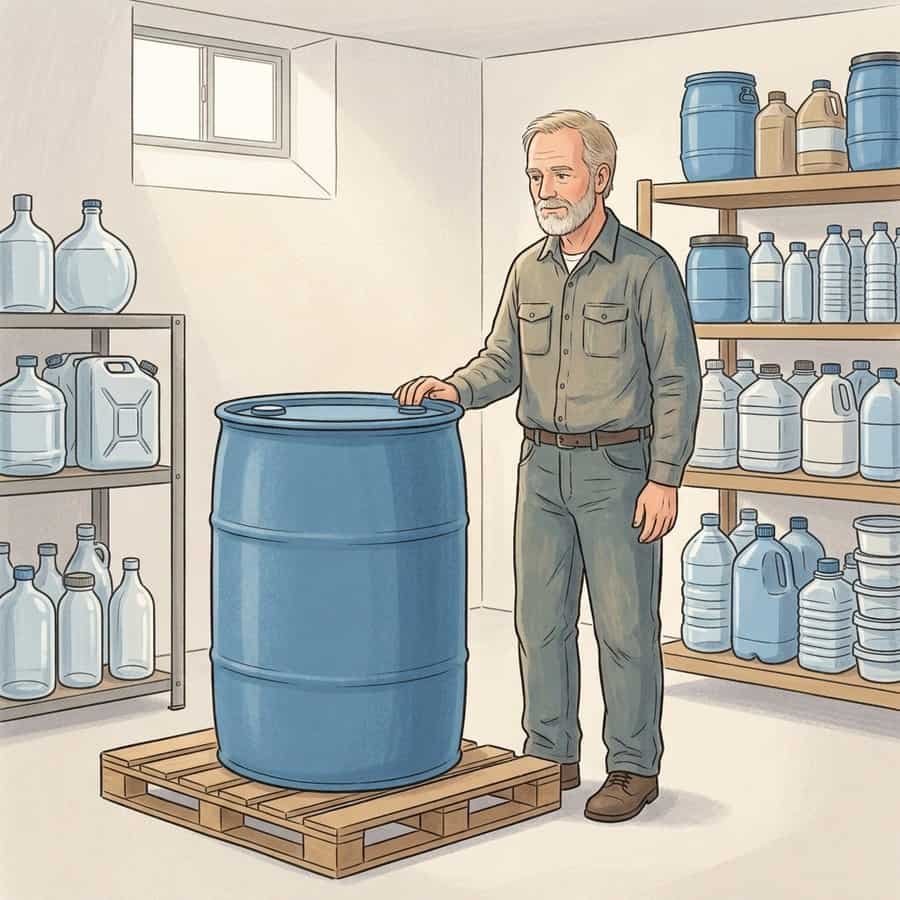
A basement or garage opens up large-format storage and, with it, problems smaller containers never raise: floor loading, dispensing without tipping, and cleaning something you cannot turn over.
55-gallon barrel setups -
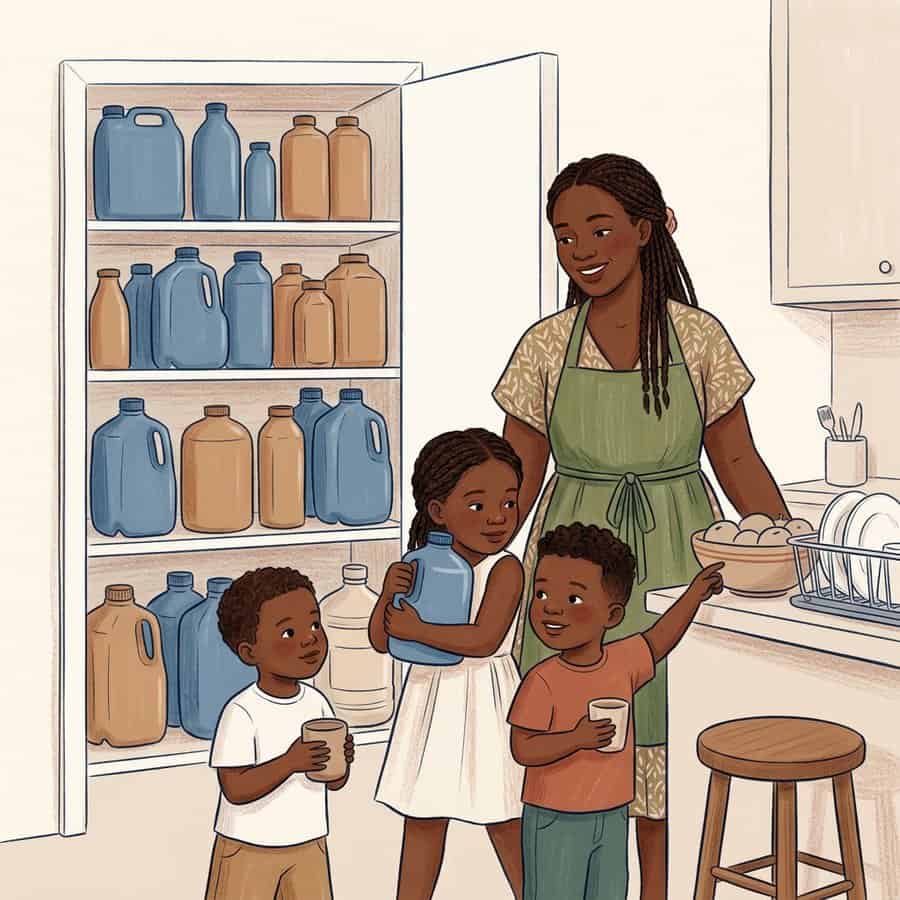
03 — Families
Households with children
Totals climb fast, and Ready.gov notes that children, nursing mothers and sick people may need more than the baseline. Plan for containers an adult can carry while holding a child’s hand.
Storage for families with kids -
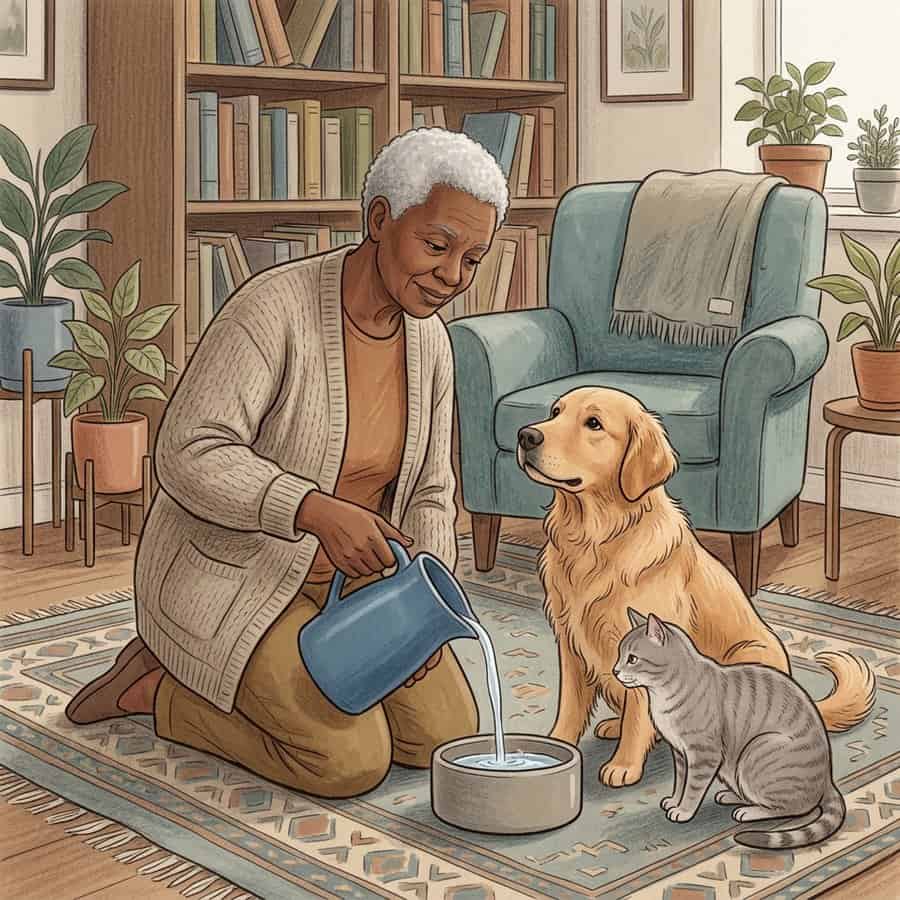
04 — Pet owners
Households with pets
Pets need stored water too, and the official record is thin: Ready.gov’s water page publishes no per-animal figure at all. The pets guide shows what agencies and veterinary sources do publish, without inventing a number.
Emergency water for pets -
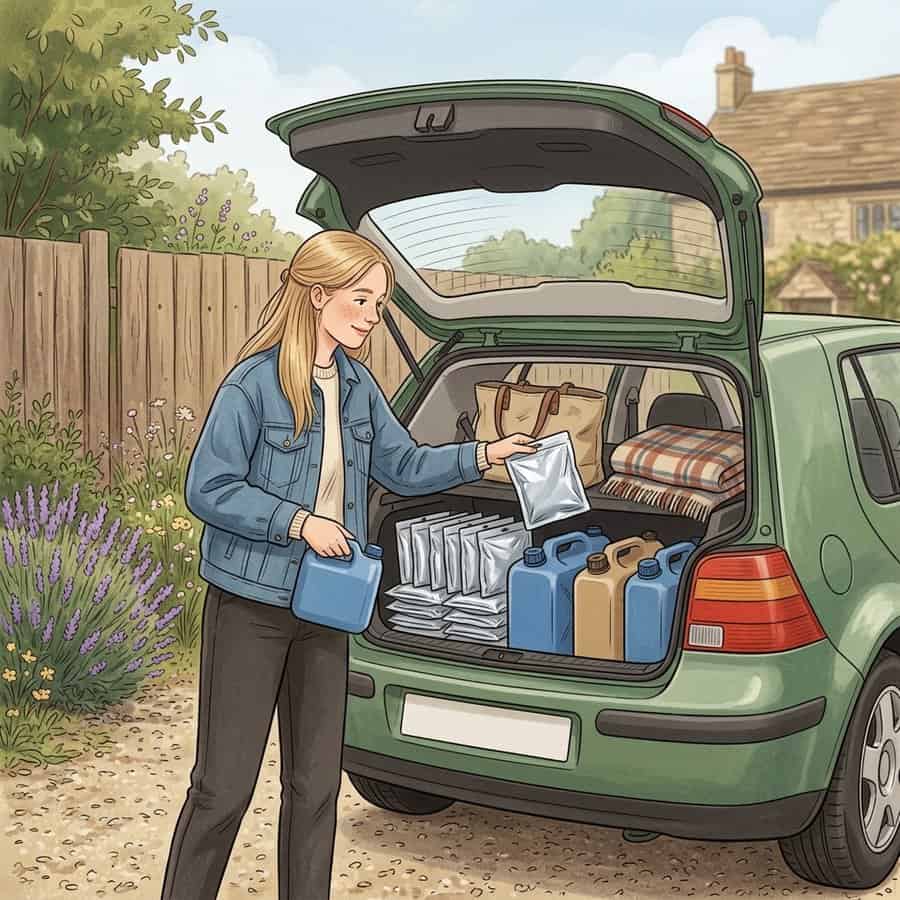
05 — On the move
Vehicles and go-bags
Water that travels is a different problem from water that sits. It has to survive temperature swings, fit a bag and weigh little enough to carry, which sealed single-serving formats do and a jug does not.
Emergency water pouches
Go deeper
Guides that each answer one question completely
Each guide answers one question from start to finish, so you only need to read the one that matches the decision in front of you.
-
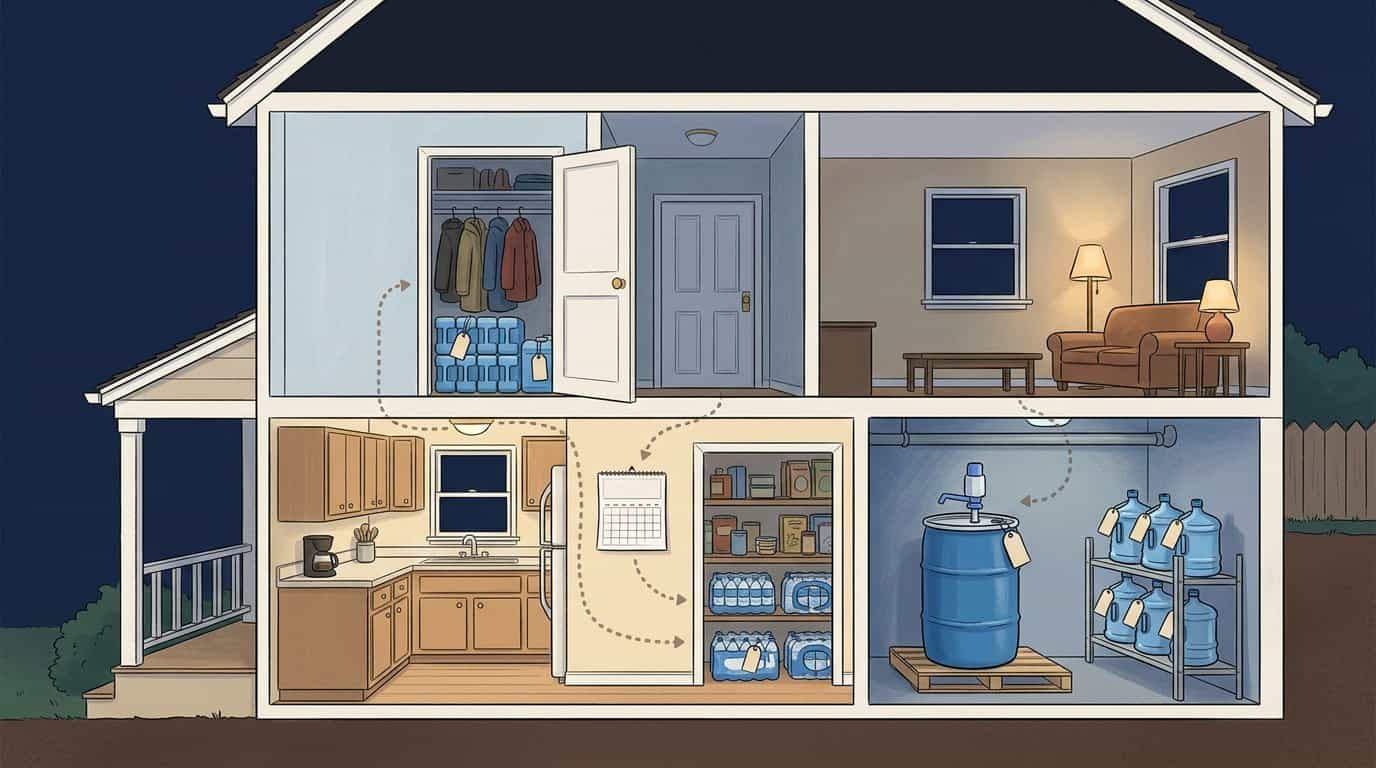
01 · Complete guide
Emergency water storage, start to finish
Quantity, containers, location, rotation and the mistakes that undo a setup, in one continuous read.
-
02 · Quantity
How much does your family need?
Worked examples by household size and window, with a calculator and the adjustments agencies publish.
-
03 · Method
How to store water long term
Containers, cleaning, filling, labelling and placement — the handling that decides whether water is usable later.
-
04 · Shelf life
How long can water be stored?
Why home-filled and sealed commercial water run on different clocks, with a replace-by date tool.
-
05 · Compare
Storage containers, compared
Formats set side by side on capacity, filled weight and fit, with every specification taken from the manufacturer.
-
06 · Tool
Rotation schedule and checklist
A printable six-month schedule so replacement dates live somewhere other than memory.
Scope
Why this site starts with storage, not treatment
Emergency Water Source starts with water you store safely in advance; it never writes its own treatment or disinfection instructions.
Water already stored safely
Clean food-grade containers, filled from a safe source, kept cool and dark, replaced on schedule. This is what the whole site is about.
Water that may carry microbial risk
Treatment decisions depend on the source, the conditions, the product and current guidance from your local authorities. They belong with official sources, not a storage guide.
Water with chemicals, fuels or salts
If the water may contain fuel, chemicals, salts, or other non-microbial contamination, do not assume boiling or disinfection makes it safe. Boiling does not remove chemical contamination and can concentrate it.
Our storage guides therefore carry no dosing instructions — no ratios, no measures, no timings. Any treatment figure this site ever prints is copied word for word from an official source or the product’s own label, with the source beside it. For treatment now, go to the EPA’s emergency disinfection guidance and to the CDC.
This is general preparedness information, not a substitute for instructions from local emergency officials or your water utility during an active event. Use only clean, food-grade containers intended for drinking water. Needs can be higher for infants, children, older adults, pregnancy, illness, pets, hot conditions, and physically demanding activity. During an advisory, follow your local authorities over anything written here.
Sources
Where every number on this page comes from
Emergency Water Source is a US-focused emergency water reference built on named government sources and manufacturer documentation, with no hands-on product testing claimed anywhere on it.
Safety figures come from federal public-health and emergency-management agencies. Product specifications, where they appear, come from the manufacturer’s own published documentation — never retailer listings, review snippets or AI summaries. Where a manufacturer does not publish an attribute, the page says “not stated by the manufacturer” rather than estimating it. Prices, star ratings, review counts and stock claims never appear here.
- CDC — How to Create and Store an Emergency Water Supply. Gallon-per-person baseline, three-day and two-week windows, six-month rotation, 50–70°F range, food-grade container rule. Last reviewed 27 June 2025.
- Ready.gov — Water. One-gallon baseline; higher needs for children, nursing mothers and sick people; water needs can double in very hot temperatures; sealed bottled water guidance.
- USGS Water Science School — Water Density. 8.329 lb per US gallon at 70°F, the basis for every calculated weight on this page.
- EPA — Emergency Disinfection of Drinking Water. Referenced for the treatment handoff only; this page publishes no dosing guidance.