Buying Guide
Filtered Water Bottles: Filter vs Purifier, and What to Check Before You Buy
A filtered water bottle makes water you already trust taste better. It does not make doubtful water safe, and it is not an emergency supply. Here is how to read the label and which bottle fits which job.
The short answer
What a filtered water bottle is for
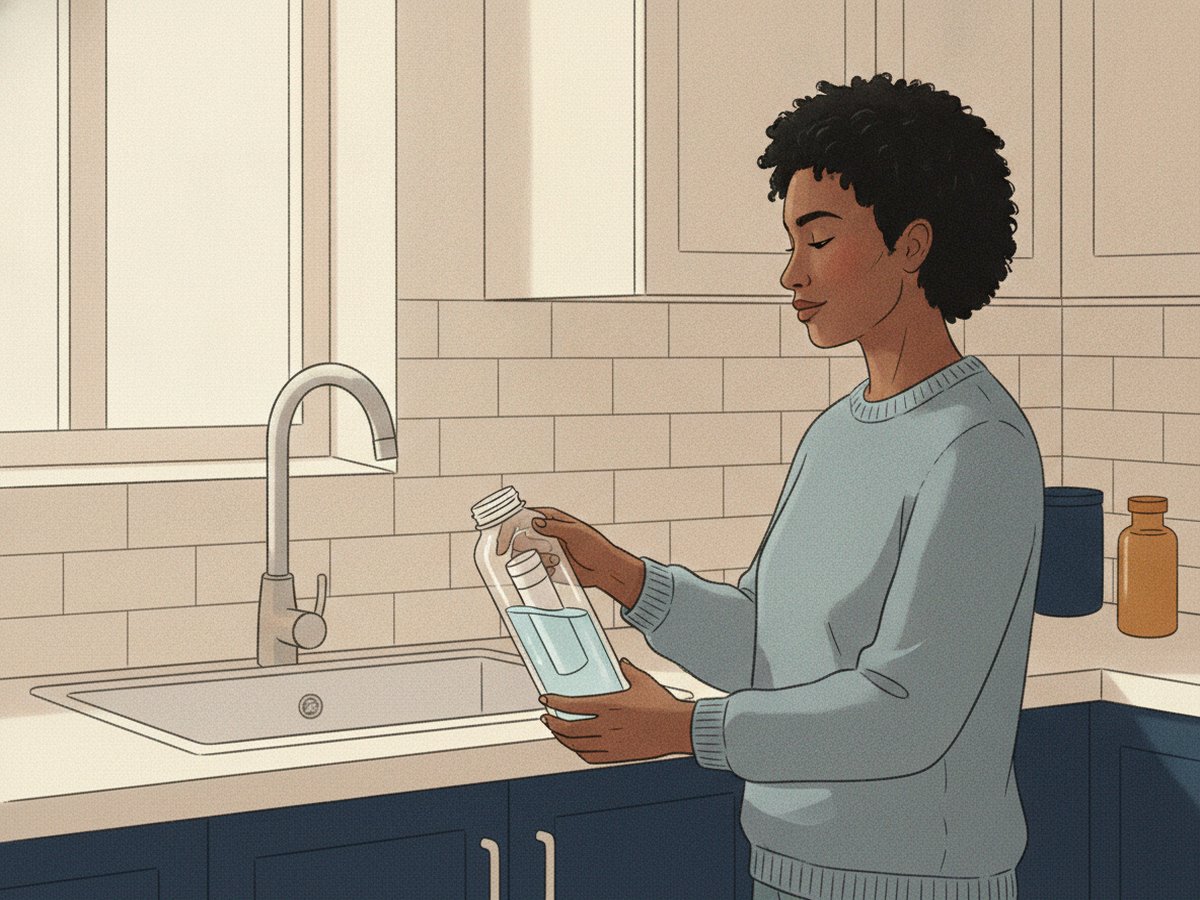
A filtered water bottle is an everyday tool for improving the taste and smell of tap water you already have reason to trust; the CDC says most home filters are not designed to remove germs.
The CDC’s page on choosing home water filters puts it plainly: water filters “can improve the taste of water, the safety of water, or both,” and “most home water filters—like pitcher or fridge filters—are not designed to remove germs from your water.” They typically use carbon to improve taste or remove heavy metals like lead, and if your tap water has no harmful germs or chemicals, you may not need a filter at all.
If you are worried about what is in your water, the label decides, not the shape of the bottle, and the CDC’s first step is testing your water or reading your utility’s annual water quality report.
Reading the label
Filtered water bottle or purifier bottle: what the label has to say
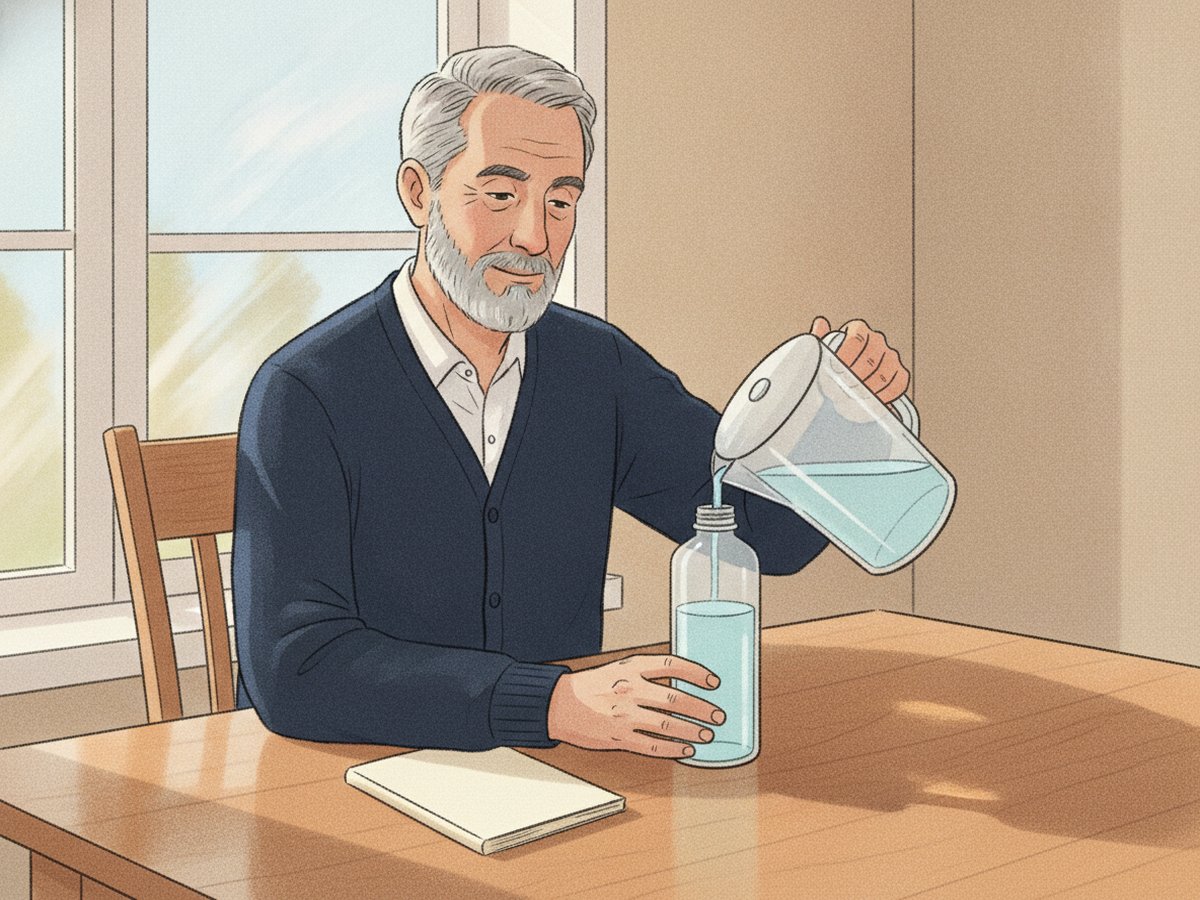
A filtered water bottle removes only what its label says it removes, so the words to look for are an NSF certification number, a pore size marked absolute, or a named type such as reverse osmosis.
The CDC explains that a filter works like a strainer. An absolute pore size of 1 micron means every pore is 1 micron or smaller; a nominal or mean pore size is only an average, so some larger things get through. NSF International, an independent standards organization, certifies filters, and products can be looked up in the NSF database.
| If the label says | What the CDC says it removes | What it does not cover |
|---|---|---|
| NSF Standard 42, or activated carbon | Improves taste and smell | Not described by the CDC as removing germs |
| NSF Standard 53 or 58 for cyst reduction, or an absolute pore size of 1 micron or smaller | Parasites such as Giardia and Cryptosporidium | Not viruses, and not all bacteria |
| Absolute pore size of 0.3 micron or smaller | Bacteria and parasites | Not viruses |
| Nanofiltration | Viruses, among the germ types listed | The CDC says germ filters often do not remove chemicals; read the label |
| Reverse osmosis | Parasites, bacteria and viruses, salt, and some chemicals such as lead and copper | Only the chemicals the label names |
How this table was built. Each row restates the CDC pages cited below, nothing from retailer listings. The CDC’s hiking page says “most portable water filters will remove parasites, but not viruses or bacteria.”
“Purifier” on a bottle is a claim, not a standard. A purifier bottle worth considering names what it removes in the maker’s own documentation. Treatment devices will be covered in the emergency water purification guide; this page stays with everyday drinking.
The formats
Filtered water bottles, pitchers and cups compared
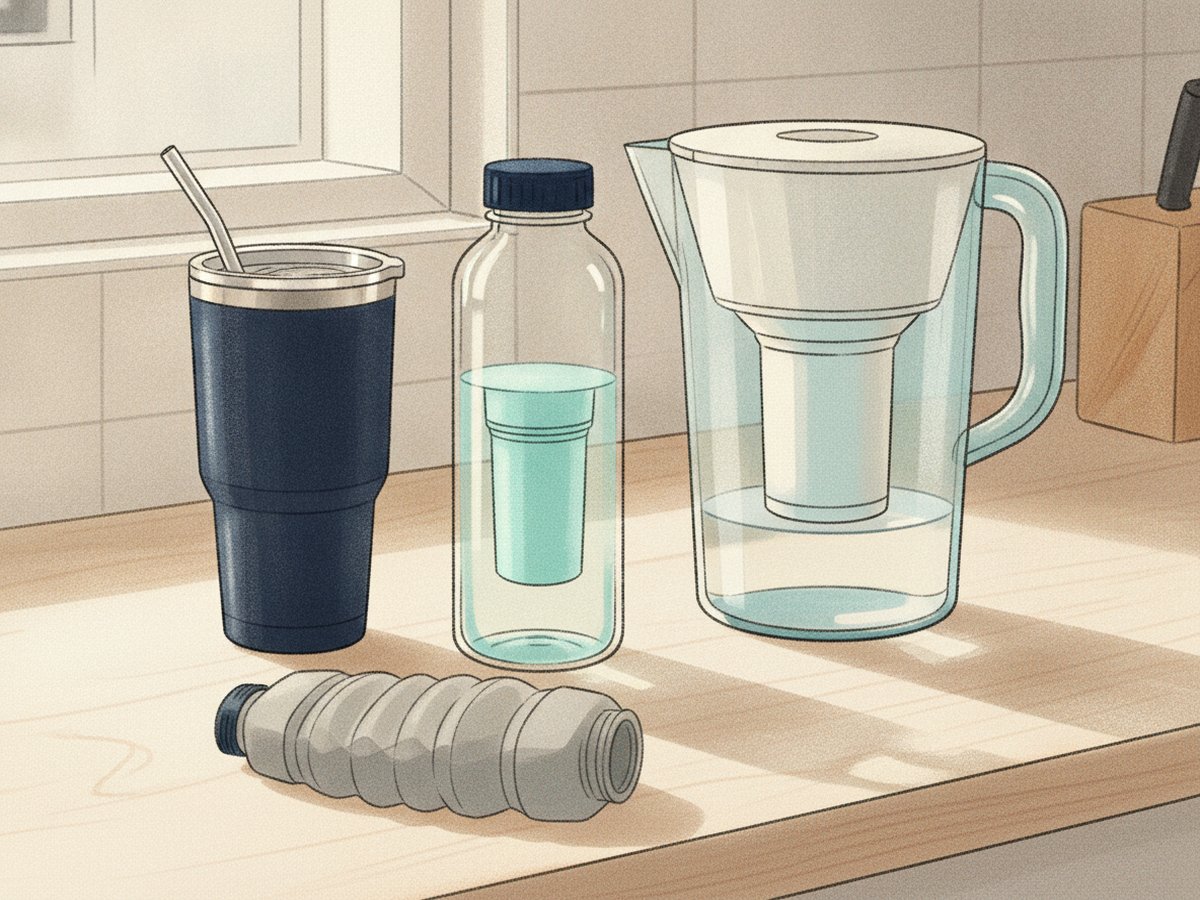
The filtered water bottle, the filter pitcher, the purifier bottle, the insulated tumbler and the collapsible bottle each do a different job, and only the first three filter anything.
| Format | Main job | Read on the label | Emergency role |
|---|---|---|---|
| Filter bottle | Better-tasting tap water on the go | NSF standard number, absolute pore size, the filter’s replacement interval | None as storage; a drinking vessel only |
| Filter pitcher | Better-tasting tap water at home, several glasses at a time | NSF standard number, what the cartridge reduces, the replacement interval | None as storage |
| Purifier bottle | Water of uncertain quality while travelling or hiking | What it is certified or tested to remove, in the maker’s documentation | A treatment tool, not a supply; the CDC says chemicals are not fixed by boiling or disinfecting |
| Insulated tumbler | Keeping drinks cold or hot | Material, and whether the maker states it is dishwasher safe | None; no filter |
| Collapsible bottle | Packing small in a bag or kit | Material and a food-contact statement from the maker | A cup for a kit; no filter |
Every cartridge needs maintenance: the CDC says to change filters “according to the manufacturer’s recommendations,” wearing gloves, and to wash your hands afterward.
Try it
How many refills a filtered water bottle needs, and how long its filter lasts
The refills a filtered water bottle needs each day are the ounces you drink divided by the bottle’s capacity, and the filter’s life in days is its rated gallons divided by the gallons you run through it.
Refills a day and filter days for your bottle
Enter the capacity and the filter rating printed by your bottle’s maker. The starting values of 24 ounces and 40 gallons are examples, not any product’s figures.
How this is worked out. Refills is ounces a day ÷ capacity, rounded up. Gallons a day is ounces ÷ 128. Filter days is filter rating ÷ gallons a day, rounded down. All three are calculated. The starting 96 ounces is the ¾ gallon of fluid Ready.gov says a normally active person needs daily, from water and other beverages.
What it will not do. It knows no product’s figures, and it does not set how much you should drink: Ready.gov says needs vary and can double in very hot temperatures. If the maker also states an interval in months, follow whichever comes first.
At the example values, a 24-ounce bottle needs 4 fills a day, and a 40-gallon rating lasts 53 full days (calculated). A smaller bottle means more refills, but the same filter days.
Buying
What to check before buying a filtered water bottle
A filtered water bottle is worth buying when its maker states, in the maker’s own documentation, what the filter is certified to reduce, how often to replace it and what the bottle is made of.
- A certification you can look up in the NSF database. A retailer’s title is not the maker’s statement.
- The exact contaminants named. The CDC says filters that remove germs often do not remove chemicals, and the other way round.
- A replacement interval, and cartridges you can still buy.
- The material and a food-contact statement from the maker.
Each link below opens an unchecked Amazon search, not one product. Keep only listings whose maker states the points above.
Browse filtered water bottles on Amazon →
- Browse water filter pitchers on Amazon (affiliate). Check the NSF standard and what the cartridge reduces.
- Browse replacement filter cartridges on Amazon (affiliate). Match the exact model your maker names.
- Browse purifier water bottles on Amazon (affiliate). Keep only listings whose maker documents what the bottle removes; a listing title is not a test.
- Browse insulated tumblers with a lid and straw on Amazon (affiliate). No filter; a cold drink you keep reaching for.
- Browse collapsible water bottles on Amazon (affiliate). Look for a maker’s food-contact statement.
Emergencies
Why a filtered water bottle is not an emergency water supply
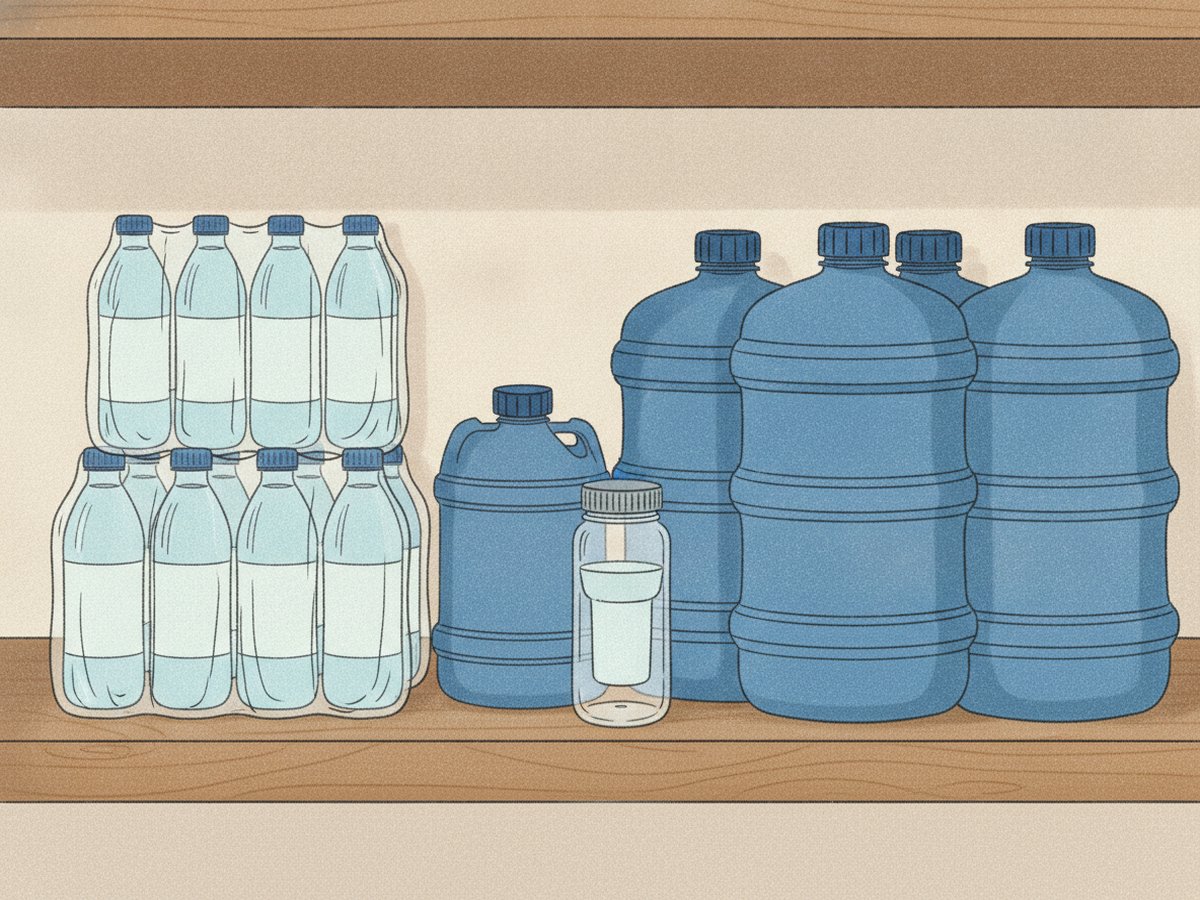
A filtered water bottle holds one person’s drinking water for part of a day, while the CDC asks a household to store at least 1 gallon per person per day for 3 days, and a 2-week supply if possible.
For a family of four that is 12 gallons for 3 days and 56 gallons for 2 weeks (calculated), per the CDC’s emergency water supply page. Self-filled water goes in food-grade containers and is replaced every 6 months.
A filter also cannot rescue every kind of bad water. The CDC’s hiking and travel page says water containing harmful chemicals, toxins or radioactive materials cannot be made safe by boiling or disinfecting it, and to use bottled water or another source instead. If your utility issues an advisory, its instructions come first.
Ready.gov adds: never ration drinking water unless officials order it. To size your supply, use the guide to how much water per person per day, then the emergency water calculator, and see sealed options you never refill in emergency drinking water: canned, boxed and pouched options.
The exclusions
Who a filtered water bottle is not for
A filtered water bottle is the wrong buy when the real need is safe water from an unknown source, chemical removal, or a household’s emergency supply.
- Not for you if you need to remove germs from water of unknown quality. The CDC says most home filters are not designed for that; look at what a product is certified to remove.
- Not for you if your worry is a specific chemical. Test first, as the CDC advises, then choose a filter whose label names that chemical.
- Not for you if you have a weakened immune system and would change cartridges yourself; the CDC advises against it and suggests asking a healthcare provider about treatment systems.
- Not for you if it would stand in for stored water. Start with the complete emergency water storage guide.
For how much to drink, start with how much water a person should drink a day, or by unit: bottles a day, ounces a day and liters a day, plus the guides for how much water a woman should drink a day and how much water a man should drink a day.
Questions
Common questions about filtered water bottles
Short answers to what people ask before buying a filter bottle, pitcher or purifier bottle.
Most do not. The CDC says most portable filters remove parasites but not viruses or bacteria, and lists nanofiltration and reverse osmosis for viruses.
A filter removes only what its label names, often taste and smell. Purifier is a claim, not a standard, so check what the maker documents the bottle removes.
It depends on the job. The CDC lists NSF Standard 42 for taste and odor, Standard 53 for cyst reduction, Standard 58 for reverse osmosis and Standard 62 for distillation. Look up the product in the NSF database to see what it is certified to remove.
Change it on the maker’s schedule, as the CDC advises, wearing gloves. The calculator on this page turns a gallon rating into days.
No. The CDC asks for at least 1 gallon per person per day for 3 days, and a 2-week supply if possible, in sealed bottles or food-grade containers.
Sources
Where these facts come from
Agency wording and figures, each checked in October 2026.
- Centers for Disease Control and Prevention, “About Choosing Home Water Filters” (dated April 10, 2024). cdc.gov — most home filters are not designed to remove germs; absolute vs nominal pore size; NSF Standards 42, 53, 58 and 62; filter types by germ; maintenance; advice for people with weakened immune systems. Checked October 2026.
- Centers for Disease Control and Prevention, “About Water Treatment Options When Hiking, Camping, or Traveling” (dated January 30, 2025). cdc.gov — most portable filters remove parasites but not viruses or bacteria; 1 micron and 0.3 micron absolute pore sizes; reverse osmosis; chemical contamination is not fixed by boiling or disinfecting. Checked October 2026.
- Centers for Disease Control and Prevention, “How to Create and Store an Emergency Water Supply.” cdc.gov — at least 1 gallon per person per day for 3 days; a 2-week supply if possible; observe the expiration date on store-bought water; replace self-filled water every 6 months; food-grade containers. Checked October 2026.
- Ready.gov, “Water.” ready.gov — a normally active person needs about ¾ gallon of fluid daily from water and other beverages; needs vary and can double in very hot temperatures; never ration drinking water unless ordered to by authorities. Checked October 2026.